When the clocks fall back
On the first Sunday in November, we get an extra hour of sleep. It sounds like a gift. Then Monday comes, it’s dark by late afternoon, and the workout you never had to think about suddenly feels like a negotiation.
If that sounds familiar, nothing is wrong with your discipline. Your body runs on an internal clock, and light is what sets it. When the light shifts, your energy, sleep and motivation can shift with it for a little while.
The good news is that a few small adjustments make the change much easier to ride out, whether you train every day or you’re just getting started.
What the time change does
Light is the main signal your body clock uses to tell day from night. The Sleep Research Society’s simple guide to light and sleep suggests getting daylight soon after you wake and dimming the lights for an hour or two before bed.
The fall change is the gentler of the two, and research suggests it may briefly add a little sleep. Your sleep timing may not shift the full hour right away, though, so your body and the clock can be slightly out of step for a while. The American Academy of Sleep Medicine has easy tips for the fall time change.
Put those together and the first week of November can feel a bit off: groggy mornings, an early slump, and less appetite for an evening session. A little patience and a few steady habits go a long way.
Five ways to stay on track
- Get outside early. Since light is your clock’s main cue, a few minutes of daylight soon after you wake gives it a clear signal that the day has started. A walk, a coffee on the porch or a stretch outside all count.
- Keep wake-up time steady. Holding the same wake time on weekdays and weekends gives your body one rhythm to settle into instead of two.
- Anchor your week. Pick two or three sessions and book them ahead like appointments. It takes the daily decision off your plate.
- Shorten, don’t skip. If a full class feels like too much on a low-energy day, a shorter open gym session still keeps the habit going. Earlier in the day, a few minutes of easy movement often makes it easier to get started. Consistency matters more than intensity in a week like this.
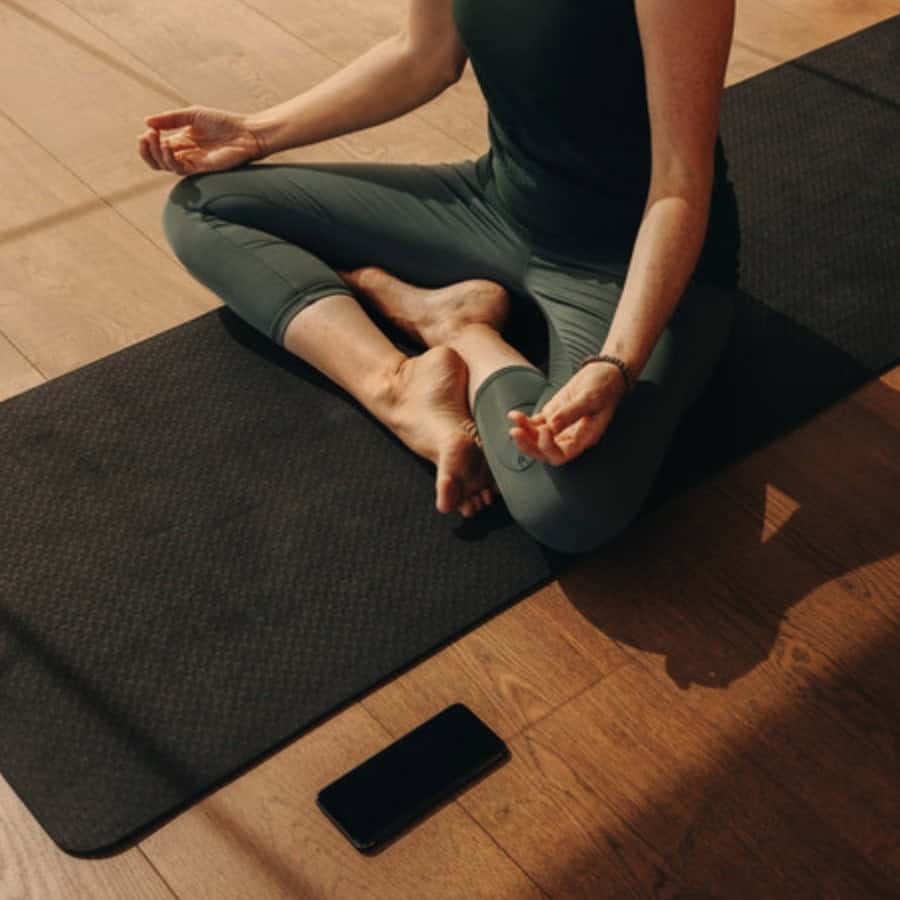
- Protect the wind-down. Dim the lights and put the screens away a little earlier. Gentle stretching or restorative yoga fits well here, since slow, easy movement suits the end of the day better than the start. Darker evenings can work in your favor if you let them signal that the day is ending.
If you train in the morning
Falling back makes mornings lighter for a while, which can make an early alarm easier to face. Research on exercise timing also suggests that morning sessions can help night owls shift their sleep earlier, so an early workout can be a good fit this season.
If you’re heading to an early class, lay out your gear the night before and keep your bedtime steady. The early wake-up only feels good if the night before supports it.
If you train in the evening
With the sun setting earlier, it can feel harder to head to the gym after work. The good news: as Harvard Health explains, evening exercise generally doesn’t hurt sleep. The exception is hard, high-intensity work within about an hour of bedtime, so the wind-down after your session matters.
Give yourself a real cool-down, keep the lights low when you get home and leave some space before bed. On nights when you want to move but not push, a stretch or restorative yoga session is a calmer way to end the day. If evenings start to feel heavy, try moving one or two sessions a week to a lunchtime or weekend slot.
Make the darker months work for you
The time change is a good excuse to reset your routine on purpose rather than let it drift. Choose your sessions, get some morning light and give yourself a week to adjust.
If you’ve been meaning to start, this is a natural moment to do it. Start your 7 days with the 7-Day Trial and find a rhythm that fits the season. Questions? Reach us at info@somofit.com.